

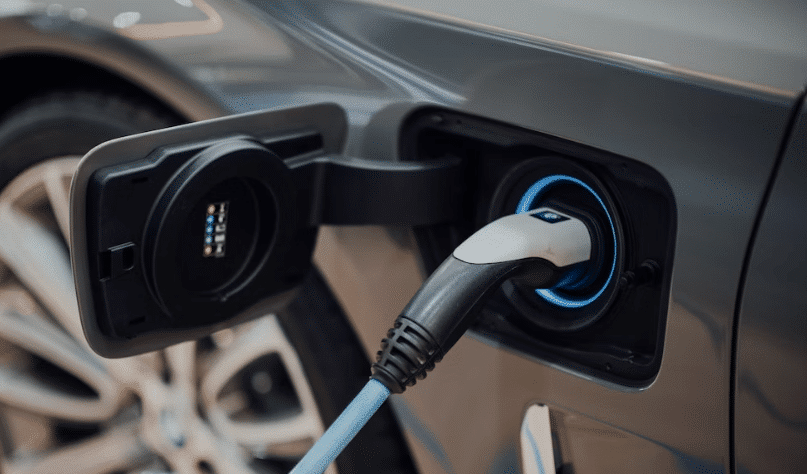
In recent years, electric vehicles (EVs) have taken the automotive industry by storm, and India is no exception. As concerns about environmental sustainability and the need to reduce greenhouse gas emissions continue to grow, electric vehicles in India have gained significant attention and traction. In this article, we will explore the current state of electric vehicles in India, their advantages, challenges, and the government’s initiatives to promote their adoption.
The Rise of Electric Vehicles in India
Electric vehicles in India are no longer a distant dream; they are fast becoming a reality. India’s journey towards EV adoption has gained momentum over the last few years, thanks to a combination of factors. These factors include increased awareness of environmental issues, government incentives, and a growing range of electric vehicle options.
The Benefits of Electric Vehicles
Electric vehicles offer a myriad of advantages, making them an appealing choice for Indian consumers. Highlighted are some of the key advantages below:
Environmental Sustainability: One of the primary reasons for the rise in EV popularity is their eco-friendly nature. EVs emit zero tailpipe emissions, lowering air pollution and helping prevent climate change.
Reduced Operating Costs: Electric vehicles are more energy-efficient and have lower maintenance costs compared to traditional gasoline vehicles.
Energy Independence: India imports a significant portion of its oil, which can strain the economy. EVs can reduce the nation’s reliance on oil imports.
Quiet and Smooth Operation: EVs are known for their silent and easygoing operation. They offer a more pleasant driving experience with less noise and vibration.
Incentives and Subsidies: The Indian government provides incentives and subsidies to promote EV adoption. These incentives can include tax benefits and financial assistance for purchasing EVs.
Challenges of Electric Vehicle Adoption in India
While electric vehicles have made significant progress in India, several challenges must be addressed for their widespread adoption:
High Initial Cost: EVs tend to have a higher upfront purchase price than traditional vehicles, primarily due to the cost of batteries. This can deter cost-conscious consumers.
Limited Charging Infrastructure: A robust charging infrastructure is crucial for the success of EVs. While it’s improving, the charging network in India is still in its nascent stage.
Range Anxiety: Many consumers are concerned about the limited range of EVs on a single charge. This is particularly relevant for long-distance travel.
Charging Time: Charging an EV takes longer than loading up a fuel tank. Fast-charging stations are still relatively rare.
Battery Recycling: The disposal of EV batteries and the need for responsible recycling must be addressed to minimize environmental impact.
Government Initiatives to Promote Electric Vehicles
To overcome the challenges associated with EV adoption, the Indian government has implemented a range of initiatives:
FAME Scheme: The Faster Adoption and Manufacturing of Hybrid and Electric Vehicles (FAME) scheme aims to incentivize the production and purchase of EVs. It provides financial assistance and incentives to buyers and manufacturers.
GST Reduction: The government has reduced the Goods and Services Tax (GST) on EVs to make them more affordable.
Charging Infrastructure: The government is investing in increasing the charging structure across the nation. Initiatives like the National Electric Mobility Mission Plan (NEMMP) promote the development of charging stations.
Local Manufacturing: The government encourages the local manufacturing of EV components to reduce costs and boost the economy.
Incentives for Research and Development: Government initiatives also promote research and development in the EV sector, encouraging innovation and technology advancement.
The Road Ahead
Electric vehicles in India are prepared for large growth in the coming years. With the government’s commitment to promoting EVs, ongoing improvements in charging infrastructure, and the expansion of the product range, the Indian EV market is set to flourish.
Electric Vehicles in India – The Final Word
As India faces mounting environmental challenges and the need to reduce its carbon footprint, the transition to electric vehicles is no longer a choice but a necessity. Electric vehicles offer a cleaner and more sustainable mode of transportation that can help improve air quality and reduce India’s dependence on fossil fuels.
While challenges remain, the government’s efforts to incentivize and support the electric vehicle industry are a positive sign for the future. With growing awareness, technological advancements, and the collective effort of both the government and industry, electric vehicles in India are on the cusp of a green revolution that could revolutionize the way the nation travels.
In conclusion, the future of electric vehicles in India is promising, and their adoption is set to play a vital role in creating a cleaner and more sustainable transportation ecosystem for the country.